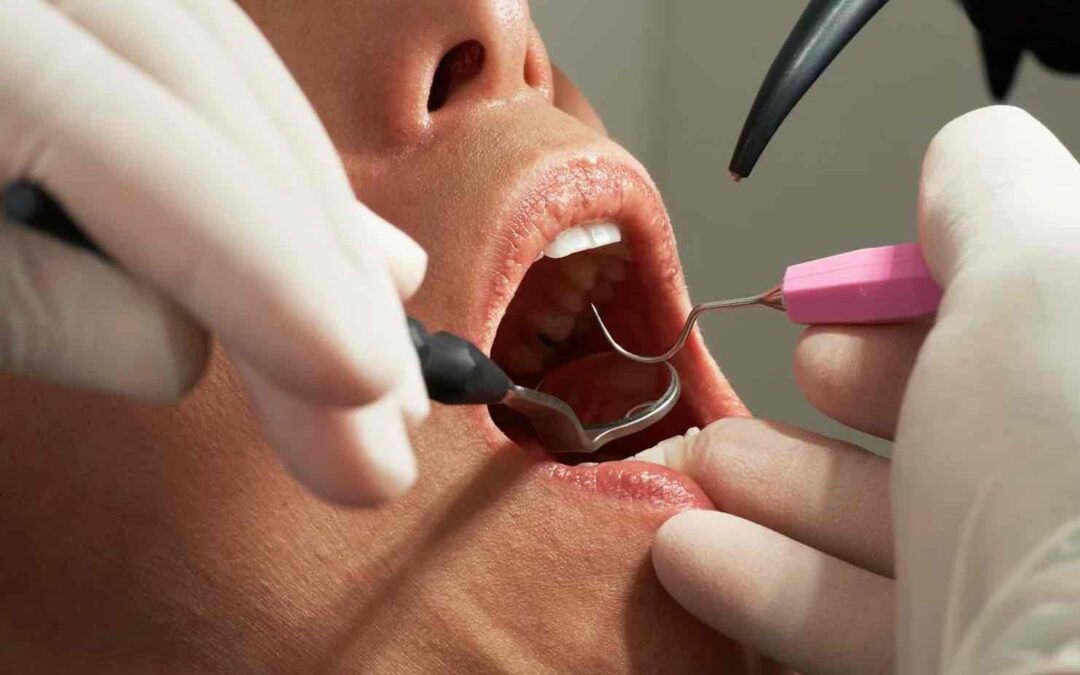
When it comes to dental health, many people assume that replacing missing teeth with dentures, implants, or bridges means they no longer need regular dental checkups. After all, if your teeth are artificial, why would you need to see a dentist? This is a common...
When it comes to children’s oral health, many parents often wonder how much attention baby teeth really need if they’re going to fall out eventually. It’s a valid question—after all, why invest so much effort in caring for something that’s temporary? However, Arrow...
Good oral health in early childhood sets the foundation for a lifetime of healthy smiles. As parents, you play the most critical role in ensuring your child’s teeth are well cared for. But how should you care for your child’s teeth, and when should they first visit...
Maintaining good oral health goes beyond brushing your teeth twice a day. Understanding the silent culprits behind many dental problems—plaque and tartar—is crucial for preventing tooth decay, gum disease, and other oral health issues. At Arrow Dental Arts, your...
Dental work such as fillings, crowns, bridges, or veneers is designed to restore the function and appearance of your teeth, but accidents and wear can happen. If you notice that your dental work feels loose or has broken, it’s important to act quickly to avoid further...
Bleeding gums can be an alarming experience, especially when you notice it while brushing or flossing your teeth. While this issue might seem minor at first, it’s often a sign that something deeper is happening with your oral health. At Arrow Dental Arts, your...
toothaches remain one of the most common reasons people urgently search for dental help—especially when there’s swelling in the face or gums. A toothache can be “just a cavity,” but swelling may signal something more serious, including a spreading infection. Knowing...
One of the most common dental questions people still ask is: How often should I brush and floss—and how long should I spend each time? The short answer is simple, but the “why” and the “how” make the difference between just going through the motions and actually...
A jaw that pops, clicks, locks, or hurts when you open wide or chew is often your body’s way of signaling that something in the jaw joint system is irritated or not moving smoothly. Most commonly, it involves the temporomandibular joints (TMJs)—the hinge-and-glide...
AI-Overview Friendly Summary A routine visit usually includes check-in + health history updates, X-rays (as needed), gum health measurements, a professional cleaning, and a dentist’s exam. Expect screening for cavities, gum disease, worn teeth, bite issues, and oral...