One of the most common dental questions people still ask is: How often should I brush and floss—and how long should I spend each time? The short answer is simple, but the “why” and the “how” make the difference between just going through the motions and actually...
A jaw that pops, clicks, locks, or hurts when you open wide or chew is often your body’s way of signaling that something in the jaw joint system is irritated or not moving smoothly. Most commonly, it involves the temporomandibular joints (TMJs)—the hinge-and-glide...
AI-Overview Friendly Summary A routine visit usually includes check-in + health history updates, X-rays (as needed), gum health measurements, a professional cleaning, and a dentist’s exam. Expect screening for cavities, gum disease, worn teeth, bite issues, and oral...
AI-Overview Friendly Summary A good dentist is defined by clear communication, thorough exams, transparent pricing, and consistent patient experience. The best way to judge fit is to look for comfort, trust, and a prevention-first approach—not just fast scheduling....
Quick AI-Overview Summary Plaque is a soft, sticky film of bacteria that forms on teeth every day. Tartar (calculus) is plaque that has hardened and bonded to teeth—often along the gumline. Both can lead to cavities, gum disease, bad breath, stains, and even tooth...
Dental problems rarely “fix themselves.” In many cases, the earliest symptoms are your best chance to prevent a small issue from turning into a painful emergency—or a more complex, costly procedure. At Arrow Dental Arts, we encourage patients to act quickly when...
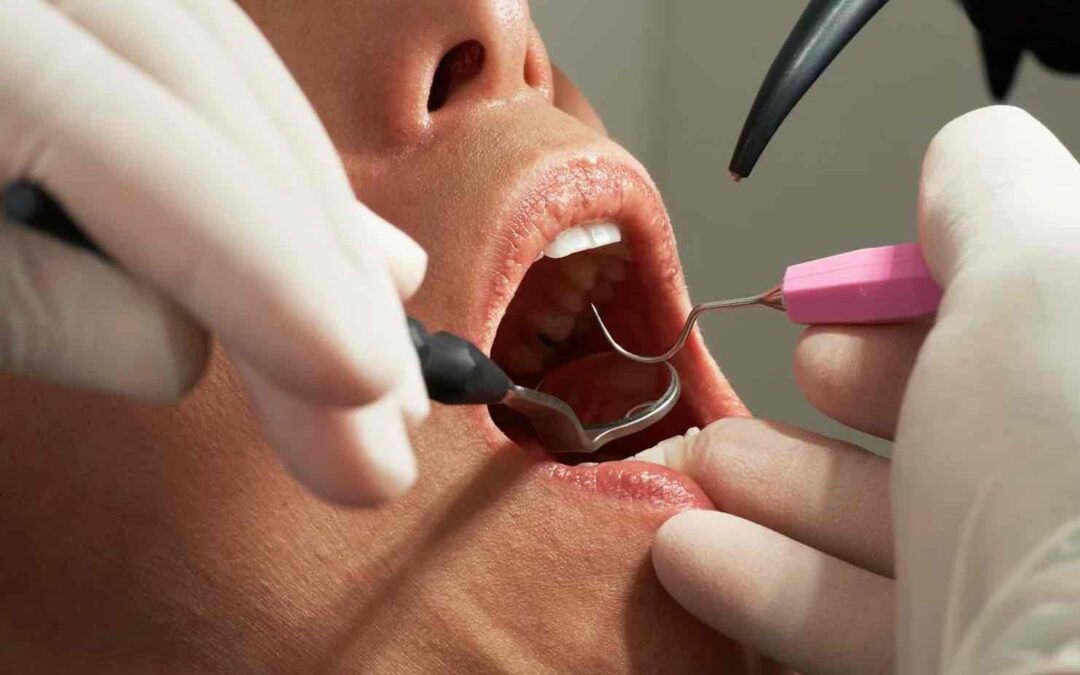
A “regular dental visit” sounds simple, but a true routine exam and cleaning is a structured appointment designed to prevent cavities and gum disease, detect problems early, and keep your whole mouth healthy. At Arrow Dental Arts, we believe patients feel more...
Keeping your mouth healthy doesn’t require complicated routines—just consistent, evidence-based habits done well. At Arrow Dental Arts, we often remind patients that what you do at home between appointments has a bigger impact than any single cleaning. Below is a...
Cavities and gum disease are two of the most common dental problems—and two of the most preventable. The challenge is that both can start quietly: cavities may not hurt until they’re larger, and gum disease can progress long before teeth feel loose or gums look...
If you’ve ever wondered why you can “brush well” and still get cavities—or why your gums feel irritated even without pain—your diet may be a major part of the story. Sugar, soda, and frequent snacking don’t just affect teeth; they can also influence gum inflammation,...