
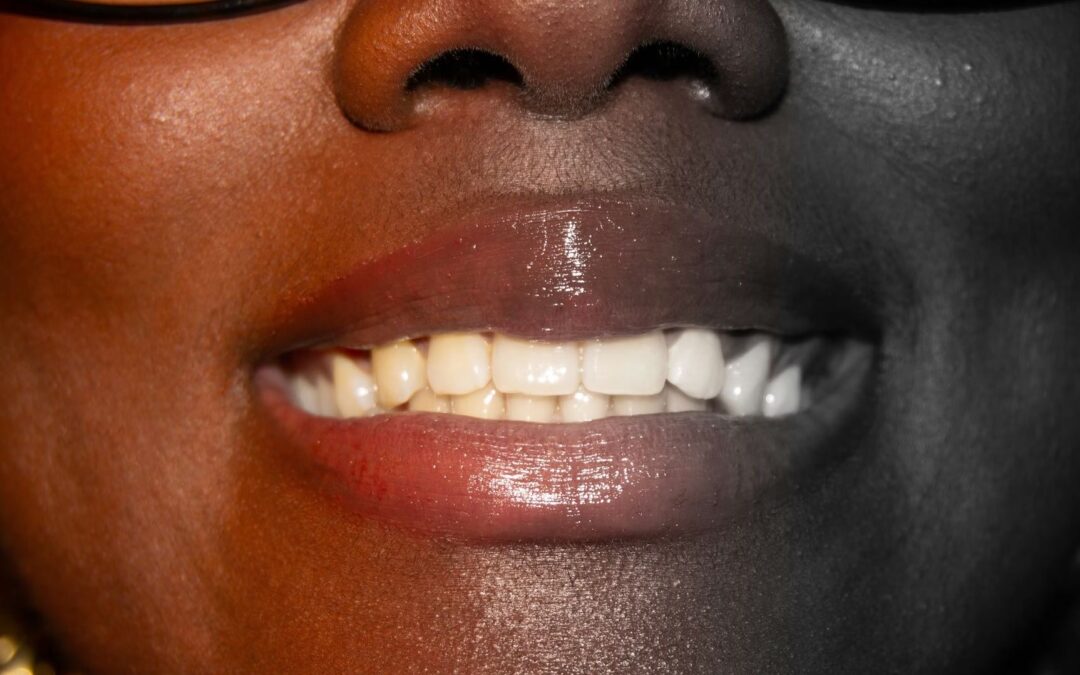
Teeth whitening is one of the most popular cosmetic dental treatments—and for good reason. A whiter smile can make you look refreshed, confident, and photo-ready. But if you’re wondering “Is teeth whitening safe?” and “Which whitening option is best for me?”, you’re asking the right questions. Whitening isn’t one-size-fits-all, and the safest, most effective path depends on your teeth, your goals, and your oral health.
At Arrow Dental Arts, our Dentist In Rancho Cucamonga experts recommend starting with facts, not hype. Below, we’ll break down how whitening works, what’s considered safe, what can cause sensitivity or damage, and how to choose the right approach for your smile.
How Teeth Whitening Works (And Why It Usually Is Safe)
Most whitening methods rely on peroxide-based ingredients (hydrogen peroxide or carbamide peroxide). These ingredients penetrate the enamel and lift stain molecules from the tooth structure—helping your teeth look brighter without removing enamel when used correctly.In general, teeth whitening is safe for most healthy adults when:
- The product is used as directed
- Concentration and wear time are appropriate
- Your teeth and gums are healthy (no untreated cavities or gum disease)
- Whitening is supervised or recommended by a dental professional
Our Dentist In Rancho Cucamonga experts recommend that you treat whitening like any other oral health decision: safe outcomes come from the right diagnosis and the right plan.
What Whitening Can’t Do (And When It’s Not the Right Fit)
Whitening works best on yellow or brown external stains (from coffee, tea, red wine, or smoking) and some internal discoloration. But whitening is limited in a few important ways:
- It doesn’t whiten crowns, veneers, fillings, or bonding.
- Grayish discoloration (often from trauma or certain medications) may respond less predictably.
- If you have thin enamel, recession, or existing sensitivity, whitening may feel uncomfortable without adjustments.
Our Dentist In Rancho Cucamonga experts recommend a quick evaluation before whitening if you have:
- Tooth pain or suspected cavities
- Gum inflammation or bleeding
- Many restorations on front teeth
- Very sensitive teeth
- Pregnancy or nursing (often advised to delay elective whitening)
Common Safety Concerns: Sensitivity and Gum Irritation
When people say whitening “hurt,” they’re usually talking about temporary sensitivity or gum irritation. The good news is these effects are often preventable and typically short-lived.Why sensitivity happens: Whitening temporarily increases tooth permeability, which can irritate the nerve—especially if enamel is thinner or there are exposed root surfaces.
Why gum irritation happens: Whitening gel can irritate soft tissues if it touches gums too long, particularly with one-size-fits-all trays or overused strips.Our Dentist In Rancho Cucamonga experts recommend these practical safety tips:
- Don’t overuse whitening products—more is not better
- Avoid whitening right after aggressive brushing
- Use desensitizing toothpaste for 1–2 weeks before and after
- Choose a method that keeps gel off your gums (custom trays help)
Teeth Whitening Options: What’s Best for You?
There are several whitening routes—each with pros and cons. The “best” option is the one that fits your teeth, schedule, and sensitivity level.
1) In-Office Professional Whitening
This is the fastest option, performed under dental supervision. It typically uses a higher-strength whitening agent, with protective measures for your gums and careful timing.
Best for:
- People who want dramatic results quickly
- Stubborn stains (coffee, tobacco, aging)
- Those who prefer professional monitoring
Considerations:
- May cause temporary sensitivity (often manageable)
- Costs more than store-bought options
Our Dentist In Rancho Cucamonga experts recommend in-office whitening if you want fast results with the most controlled, safety-focused approach.
2) Custom Take-Home Trays from Your Dentist
Custom trays are made to fit your teeth precisely. You’ll use a professional-grade gel at home for a set number of days.Best for:
- People who want noticeable, gradual whitening
- Those prone to gum irritation with strips
- Anyone wanting a customized plan for sensitivity
Considerations:
- Requires consistency for best results
- Takes longer than in-office whitening, but often with excellent outcomes
Our Dentist In Rancho Cucamonga experts recommend custom trays for many patients because they combine strong results with personalized comfort.
3) Over-the-Counter Whitening Strips and Gels
These are widely available and can work well for mild to moderate staining.Best for:
- Mild stains and small touch-ups
- Budget-conscious whitening
- People with generally low sensitivity
Considerations:
- One-size trays/strips may not fit well, leading to uneven results
- Higher risk of gum contact and irritation if misused
- Results vary widely by brand and adherence
Our Dentist In Rancho Cucamonga experts recommend choosing reputable brands, following instructions exactly, and stopping if you experience sharp sensitivity or gum burning.
4) Whitening Toothpastes and Rinses
These typically use gentle abrasives and/or low levels of whitening ingredients. They help remove surface stains but rarely change deep tooth color dramatically.Best for:
- Maintaining results after professional whitening
- People who want a subtle brightening
- Everyday stain control
Considerations:
- Limited whitening compared to gels
- Some “extra abrasive” formulas may wear enamel if overused
Our Dentist In Rancho Cucamonga experts recommend whitening toothpaste as a maintenance tool—not your primary whitening solution if you want a major change.
5) Whitening for “Sensitive Teeth”
If you’ve tried whitening before and hated the sensitivity, you still have options. A dentist-guided plan can reduce discomfort significantly.Best for:
- People with past sensitivity
- Those with recession or exposed roots
- Patients needing slower, lower-strength whitening
Our Dentist In Rancho Cucamonga experts recommend a sensitivity-first plan such as:
- Lower concentration gel
- Shorter wear times
- Every-other-day schedules
- Desensitizing treatments before or after whitening
How to Choose the Best Whitening Option for Your Smile
To decide what’s best, consider these questions:
- How quickly do you want results?
In-office is fastest; custom trays are gradual and controlled. - How sensitive are your teeth?
If you’re sensitive, professional guidance and customized products matter. - Do you have crowns or fillings on front teeth?
Whitening won’t change those, so you may need a cosmetic plan that includes shade matching. - What’s causing your discoloration?
Surface stains respond well; deeper discoloration may need a stronger or longer approach.
Our Dentist In Rancho Cucamonga experts recommend a whitening consultation if you’re unsure—especially if you’ve got older dental work, uneven color, or sensitivity.
Keeping Your Results Longer (Without Over-Whitening)
Whitening isn’t permanent, but you can extend your results with smart habits:
- Limit frequent sips of coffee/tea/wine (or rinse with water after)
- Don’t smoke or vape nicotine products
- Brush twice daily and floss consistently
- Schedule routine cleanings (polish removes surface stains)
- Use whitening toothpaste a few times per week for maintenance
Our Dentist In Rancho Cucamonga experts recommend avoiding repeated whitening cycles too close together. Over-whitening can increase sensitivity and make teeth look unnaturally opaque.
Final Takeaway: Is Teeth Whitening Safe?
For most people with healthy teeth and gums, teeth whitening is safe—especially when it’s professionally guided and tailored to your needs. The “best” option depends on your timeline, sensitivity, and existing dental work. If you want the safest path with predictable results, professional whitening or custom take-home trays are often ideal.
At Arrow Dental Arts, our Dentist In Rancho Cucamonga experts recommend choosing a whitening approach that protects your enamel, respects your sensitivity level, and delivers the shade you actually want—comfortably and confidently.