
Oct 23, 2026
Nasal congestion, allergies, and a deviated septum usually do not directly cause sleep apnea on their own, but they can significantly contribute to it or make existing sleep apnea worse. Nasal obstruction forces mouth breathing, narrows the upper airway, and can...

Oct 23, 2026
Driving or working with untreated sleep apnea may be unsafe, especially if you experience daytime sleepiness, slowed reaction times, or unintentional dozing. Sleep apnea repeatedly interrupts breathing during sleep, preventing the body and brain from getting...

Oct 23, 2026
Sleep apnea can affect blood sugar control and may make diabetes more difficult to manage. When breathing repeatedly stops during sleep, the body experiences intermittent drops in oxygen, stress-hormone release, inflammation, and disrupted sleep. These changes may...
Oct 22, 2026
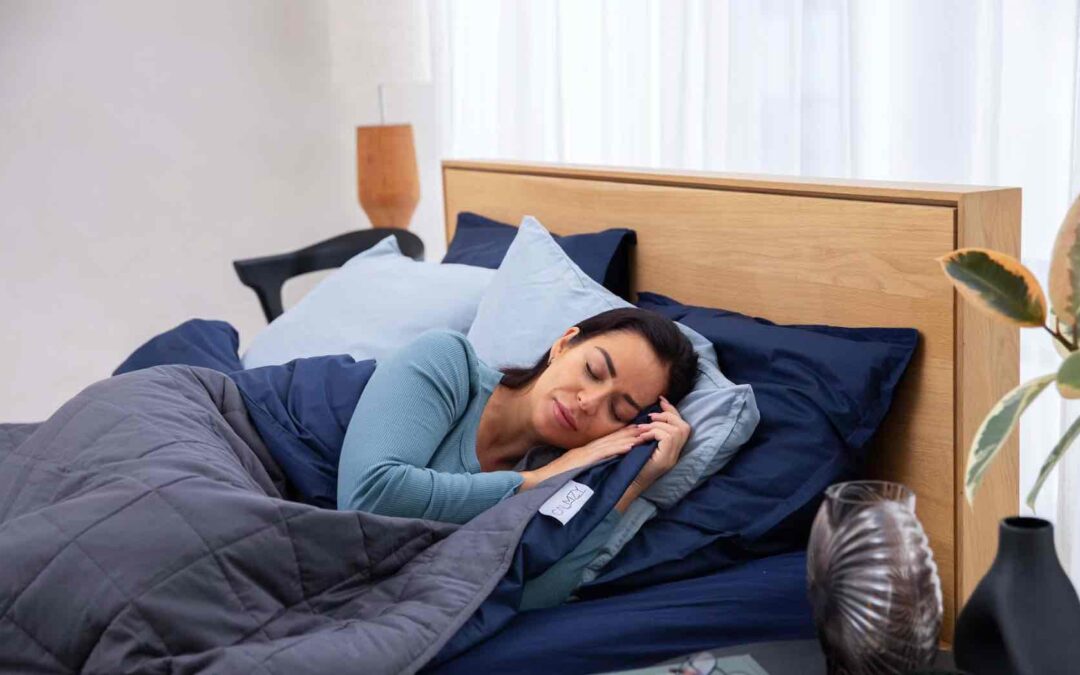
Yes, a custom oral appliance can help many people with obstructive sleep apnea—but a standard mouthguard is not the same as a sleep apnea appliance. Oral appliance therapy uses a dentist-designed device to gently reposition the jaw or tongue and help keep the airway...
Oct 22, 2026
Sleep apnea usually does not go away on its own without treatment. In some cases, symptoms may improve after major changes such as significant weight loss, removal of enlarged tonsils, or treatment of an underlying medical condition. However, the airway can remain...
Oct 22, 2026
If you stop using your CPAP machine, your sleep apnea usually returns the same night. Breathing interruptions can reduce oxygen, fragment sleep, and increase daytime symptoms and long-term health risks. Although CPAP may feel uncomfortable at first, abruptly...
Translate »