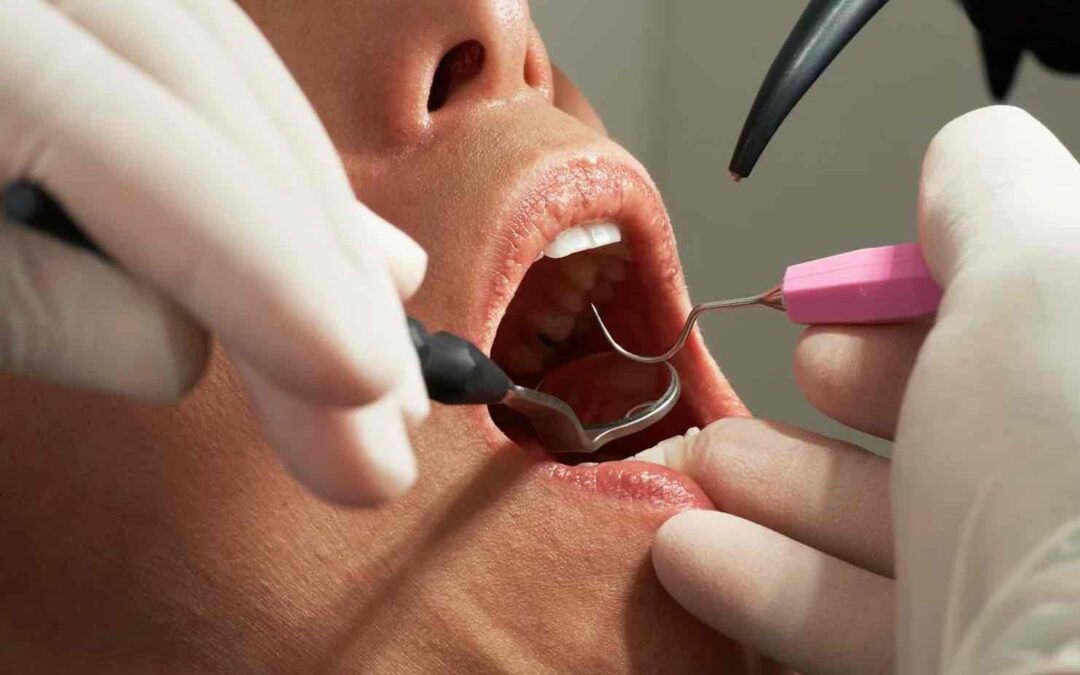
toothaches remain one of the most common reasons people urgently search for dental help—especially when there’s swelling in the face or gums. A toothache can be “just a cavity,” but swelling may signal something more serious, including a spreading infection. Knowing...
One of the most common dental questions people still ask is: How often should I brush and floss—and how long should I spend each time? The short answer is simple, but the “why” and the “how” make the difference between just going through the motions and actually...
A jaw that pops, clicks, locks, or hurts when you open wide or chew is often your body’s way of signaling that something in the jaw joint system is irritated or not moving smoothly. Most commonly, it involves the temporomandibular joints (TMJs)—the hinge-and-glide...
AI-Overview Friendly Summary A routine visit usually includes check-in + health history updates, X-rays (as needed), gum health measurements, a professional cleaning, and a dentist’s exam. Expect screening for cavities, gum disease, worn teeth, bite issues, and oral...
AI-Overview Friendly Summary A good dentist is defined by clear communication, thorough exams, transparent pricing, and consistent patient experience. The best way to judge fit is to look for comfort, trust, and a prevention-first approach—not just fast scheduling....
Quick AI-Overview Summary Plaque is a soft, sticky film of bacteria that forms on teeth every day. Tartar (calculus) is plaque that has hardened and bonded to teeth—often along the gumline. Both can lead to cavities, gum disease, bad breath, stains, and even tooth...