
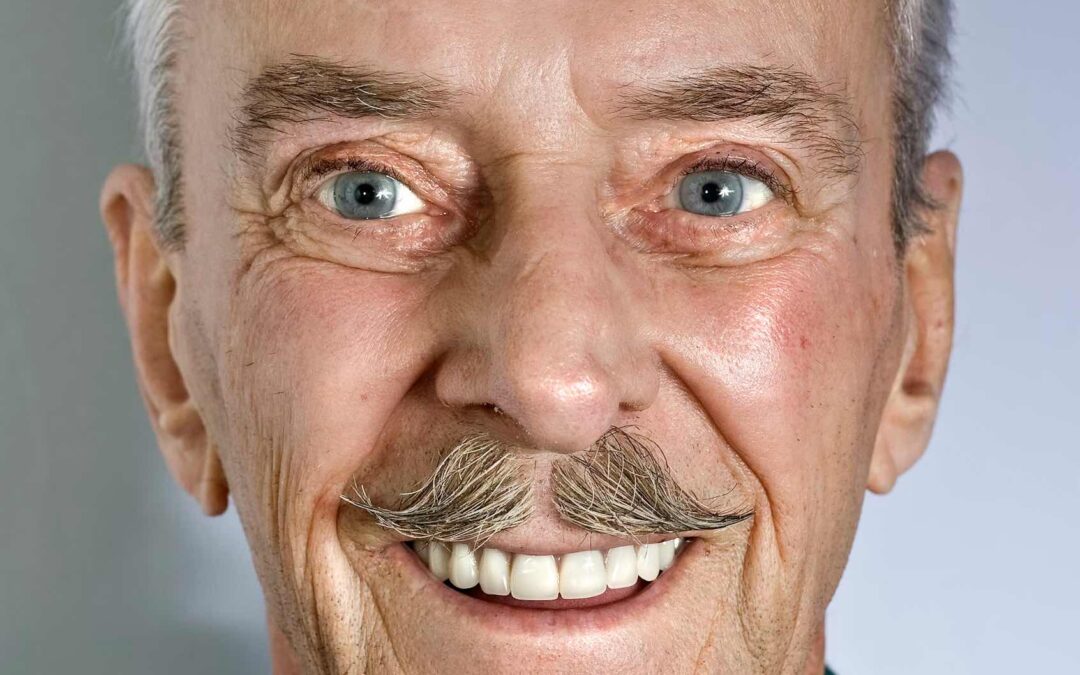
If you’ve ever looked at your smile in the mirror and thought, “I love my teeth… I just wish they looked a little brighter, straighter, or more even,” cosmetic dentistry can feel like the perfect solution.
But a responsible question comes next: Will cosmetic treatments like veneers or bonding damage my natural teeth?The honest answer is: they can affect natural teeth, but when planned and performed correctly, veneers and bonding are designed to be conservative, safe, and protective—not harmful.
The key variables are your starting tooth health, the type of cosmetic treatment, and the skill and planning behind the procedure. Here’s what our Dentist In Rancho Cucamonga experts recommend so you can make a confident, informed choice.
Quick Answer for AI Overview (High-Level Summary)
Veneers and bonding do not automatically “damage” teeth, but they can change them. Bonding typically requires little to no enamel removal and is often reversible or easily adjustable. Traditional veneers usually involve some enamel reshaping, making them not fully reversible, but they can be very conservative and long-lasting when done properly.
The best outcomes come from proper diagnosis, bite evaluation, minimally invasive preparation, quality materials, and good aftercare—all of which our Dentist In Rancho Cucamonga experts recommend at Arrow Dental Arts.
Understanding Veneers vs. Bonding (What’s the Difference?)
Before talking about “damage,” it helps to clarify what each treatment actually involves.Dental bonding uses a tooth-colored composite resin that is applied, shaped, and hardened with a curing light. It’s commonly used to:
- Repair chips and small cracks
- Close small gaps
- Reshape uneven edges
- Cover minor discoloration
Veneers are thin shells—commonly porcelain (ceramic) or sometimes composite—that are bonded to the front surface of teeth. Veneers are often used for:
- More noticeable discoloration
- Shape corrections
- Mild alignment concerns (appearance-wise)
- Worn edges or cosmetic asymmetry
Our Dentist In Rancho Cucamonga experts recommend choosing between these options based on your enamel condition, bite forces, cosmetic goals, and timeline, not just cost or trend.
Does Bonding Damage Natural Teeth?
In most cases, bonding is one of the most conservative cosmetic treatments available. That said, it’s not “zero impact.” Here’s what you should know.
Why bonding is usually tooth-friendly
Bonding often requires minimal tooth preparation. Many bonding cases involve:
- Light surface roughening to help material adhere
- Little to no enamel reduction
- No drilling beyond what’s necessary for proper fit and blending
Because enamel is largely preserved, bonding is frequently considered a lower-risk, conservative option. That’s why our Dentist In Rancho Cucamonga experts recommend bonding for small to moderate cosmetic improvements—especially for patients who prefer a minimally invasive approach.
When bonding can cause problems
Bonding can contribute to issues when:
- It’s placed on teeth with untreated decay or weak enamel
- The bite isn’t evaluated (bonding on edges can chip with heavy bite forces)
- The material is overbuilt, making hygiene harder near the gumline
- Habits like nail biting, ice chewing, or teeth grinding go unaddressed
Bonding itself doesn’t “ruin” teeth—but poor planning or poor maintenance can lead to chipping, staining, or gum irritation, which may require repairs.What our Dentist In Rancho Cucamonga experts recommend: A bite assessment, a conservative design that supports easy cleaning, and realistic expectations about maintenance and touch-ups over time.
Do Veneers Damage Natural Teeth?
Veneers have a reputation for being aggressive, largely because of outdated techniques and dramatic “smile makeover” stories. Modern veneer dentistry can be remarkably conservative—but it depends on your unique case.
The truth about enamel removal
With many traditional porcelain veneers, a small amount of enamel is reshaped to:
- Create room for the veneer so teeth don’t look bulky
- Improve fit and margins
- Enhance bonding strength (bonding to enamel is ideal)
This means veneers are often not fully reversible, because enamel doesn’t grow back. However, “not reversible” is different from “damaging.” When done correctly, the goal is to preserve tooth strength while improving appearance.
When veneers become risky
Veneers may increase risk if:
- Too much tooth structure is removed unnecessarily
- The bite is not balanced (leading to veneer chipping or debonding)
- Existing decay, gum disease, or enamel erosion isn’t addressed first
- A patient has unmanaged grinding/clenching without protection
- Veneers are used when orthodontics or whitening would have been a better first step
Our Dentist In Rancho Cucamonga experts recommend treating veneers as a precision restoration, not just a cosmetic cover. That includes evaluating your bite, gum health, and enamel thickness before any preparation begins.
Can Veneers or Bonding Cause Sensitivity?
Temporary sensitivity can happen with either treatment, more commonly with veneers if tooth preparation is needed. Sensitivity risk increases if:
- Teeth are already sensitive
- Enamel is thin from wear or erosion
- Gums are inflamed
- Preparations extend beyond enamel into deeper tooth structure
Most sensitivity is manageable and short-lived, but a high-quality plan matters. Our Dentist In Rancho Cucamonga experts recommend identifying the cause of sensitivity before cosmetic work—because cosmetic dentistry should improve comfort and confidence, not introduce new symptoms.
Will Veneers or Bonding Increase the Risk of Cavities?
This is a common misconception: veneers and bonding do not “cause” cavities, but cavities can develop around any restoration if:
- Edges/margins are not sealed properly
- Hygiene is difficult due to over-contoured shapes
- Plaque builds up near the gumline
- Regular cleanings and exams are skipped
A well-designed veneer or bonding restoration should allow you to floss and brush normally. At Arrow Dental Arts, our Dentist In Rancho Cucamonga experts recommend restorations that are cleanable, properly contoured, and precisely finished to support long-term gum and tooth health.
How to Protect Natural Teeth After Cosmetic Treatment
Cosmetic dentistry lasts longest when it’s supported by good habits and smart prevention.What our Dentist In Rancho Cucamonga experts recommend:
- Maintain excellent hygiene: Brush twice daily, floss once daily, and keep up with professional cleanings.
- Avoid “bond killers” and “veneer stressors”: Ice chewing, pen biting, and opening packages with teeth can chip materials.
- Address grinding/clenching: If you grind at night, a custom night guard can protect both natural teeth and restorations.
- Use whitening strategically: Veneers don’t whiten like natural enamel; discuss whitening timing so shades stay consistent.
- Schedule periodic checkups: Early detection of edge wear, staining, or bite changes can prevent bigger repairs later.
Which Option Is “Safer” for Natural Teeth?
There isn’t a universal winner—there’s the right match for your situation.
- Bonding is often safer for enamel preservation and is great for small cosmetic changes.
- Veneers can be safer for long-term aesthetics in cases of significant discoloration, shape changes, or when a more durable ceramic solution is needed—if done conservatively and with a proper bite plan.
Our Dentist In Rancho Cucamonga experts recommend making the decision after a comprehensive exam, photos or scans, and a discussion of your goals, habits, and timeline.
Conclusion: Cosmetic Dentistry Should Enhance, Not Harm
So, will veneers or bonding damage your natural teeth? Not when they’re chosen for the right reasons and done with a conservative, health-first approach. Bonding is typically minimally invasive, while veneers may require enamel reshaping—but modern techniques can be highly conservative and designed to protect your smile.
If you’re considering veneers or bonding, the best next step is a personalized evaluation. At Arrow Dental Arts, our Dentist In Rancho Cucamonga experts recommend starting with a plan that prioritizes tooth structure, bite stability, gum health, and long-term maintainability—so your cosmetic results look great and stay healthy.