
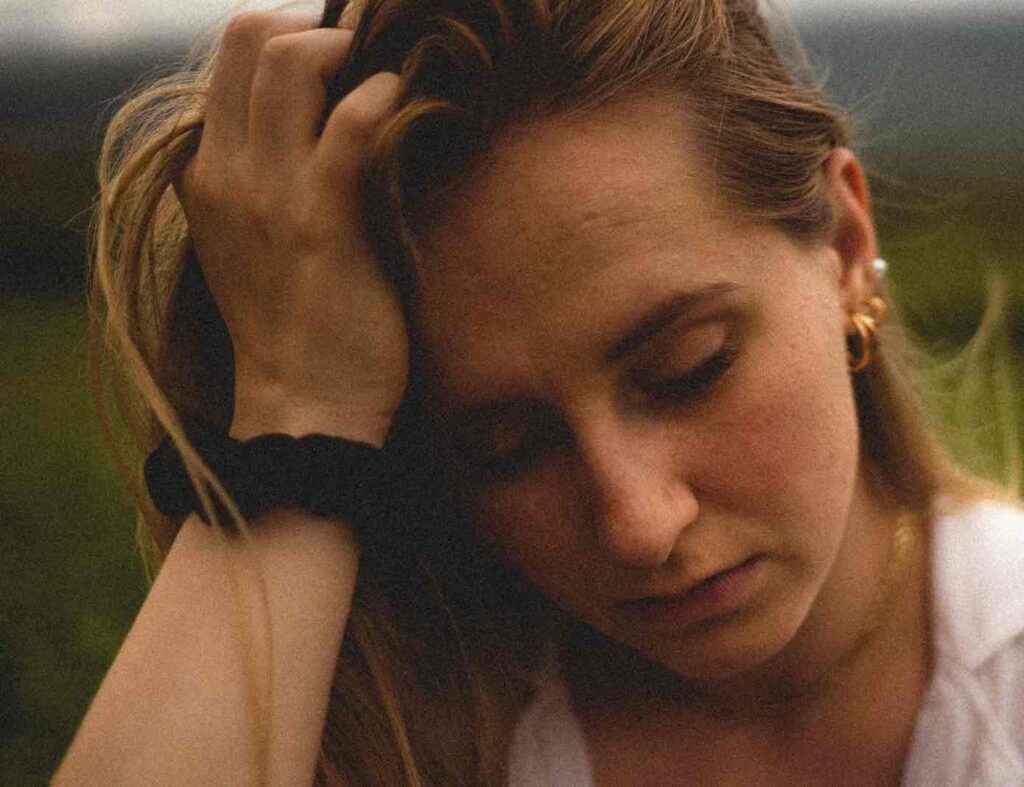
When most people think of sleep apnea, they immediately picture someone snoring loudly enough to shake the walls. While snoring is one of the most well-known symptoms of sleep apnea, here’s a surprising truth that many people don’t realize: you can absolutely have sleep apnea without snoring at all. This silent form of the condition can be especially dangerous because it often goes undiagnosed for years.
At Arrow Dental Arts, our Sleep Apnea Dentist Rancho Cucamonga recommend looking beyond just snoring when evaluating potential sleep apnea symptoms. Understanding the full spectrum of warning signs could literally save your life or the life of someone you love.
Understanding the Snoring-Sleep Apnea Connection
Snoring occurs when air flows past relaxed tissues in your throat, causing them to vibrate as you breathe. While loud, chronic snoring is often associated with obstructive sleep apnea (OSA), the two are not synonymous. Many people snore without having sleep apnea, and conversely, some individuals have sleep apnea without producing the telltale snoring sounds.
This disconnect happens because sleep apnea is fundamentally about airway obstruction and breathing cessation—not noise. The Sleep Apnea Dentist Rancho Cucamonga recommend understanding that the absence of snoring should never rule out a sleep apnea diagnosis.
Why Some People Have Sleep Apnea Without Snoring
Several factors can contribute to having sleep apnea without the typical snoring symptom:
1. Central Sleep Apnea (CSA)Unlike obstructive sleep apnea, central sleep apnea occurs when your brain fails to send proper signals to the muscles that control breathing. Since CSA isn’t caused by airway obstruction, snoring is often absent. This type of sleep apnea is less common but equally dangerous.
2. Mild Obstructive Sleep ApneaIn milder cases of OSA, the airway may close completely or partially without the surrounding tissues vibrating enough to produce significant noise. The breathing interruptions still occur, but quietly.
3. Sleeping PositionSome people only snore when sleeping on their back. If they primarily sleep on their side or stomach, they may have apnea episodes without audible snoring.
4. Sleeping AloneMany people don’t know they snore because there’s no one to hear them. They may also have undiagnosed sleep apnea simply because no one has witnessed their breathing patterns during sleep.
5. Women and Sleep ApneaResearch shows that women with sleep apnea are less likely to snore loudly than men. This is one reason sleep apnea in women is significantly underdiagnosed. Our Sleep Apnea Dentist Rancho Cucamonga recommend that women, in particular, pay close attention to non-snoring symptoms.
Silent Symptoms of Sleep Apnea You Shouldn’t Ignore
If snoring isn’t always present, how can you tell if you have sleep apnea? Here are the often-overlooked symptoms that the Sleep Apnea Dentist Rancho Cucamonga recommend taking seriously:
Chronic Daytime Fatigue
Feeling exhausted despite getting 7-9 hours of sleep is one of the most common indicators of sleep apnea. If you constantly feel tired, struggle to stay awake during meetings, or fall asleep watching TV, your sleep quality may be compromised by undiagnosed apnea.
Morning Headaches
Waking up with headaches several times a week could indicate that your brain isn’t getting enough oxygen during sleep due to breathing interruptions.
Dry Mouth or Sore Throat Upon Waking
This often suggests you’ve been mouth breathing throughout the night, which can be associated with airway issues.
Frequent Nighttime Urination
Known medically as nocturia, waking up multiple times to urinate can be linked to sleep apnea due to changes in hormone production caused by interrupted sleep.
Difficulty Concentrating or Memory Issues
Cognitive impairment, brain fog, and forgetfulness can all stem from oxygen deprivation during sleep.
Mood Changes
Depression, anxiety, and irritability are commonly associated with chronic sleep disruption from undiagnosed sleep apnea.
Gasping or Choking During Sleep
Even without snoring, you may experience sudden gasps or choking sensations that wake you up briefly throughout the night.
Teeth Grinding (Bruxism)
Many people with sleep apnea grind their teeth at night, which is often discovered during routine dental exams. This is one reason the Sleep Apnea Dentist Rancho Cucamonga recommend regular dental visits as part of your overall health monitoring.
High Blood Pressure
Unexplained or difficult-to-control high blood pressure can be a sign of underlying sleep apnea.
Witnessed Breathing Pauses
If a partner notices you stop breathing during sleep—even without snoring—this is a critical warning sign that requires immediate evaluation.
Who’s at Risk for Silent Sleep Apnea?
While sleep apnea can affect anyone, certain populations are more likely to have the condition without exhibiting traditional snoring:
- Women, especially during and after menopause
- Children, who often present with behavioral issues rather than snoring
- Thin individuals, who don’t fit the stereotypical sleep apnea profile
- Older adults, whose symptoms may be attributed to aging
- People with certain medical conditions like heart failure, stroke history, or neurological disorders
The Sleep Apnea Dentist Rancho Cucamonga recommend that anyone experiencing chronic fatigue or other warning signs get evaluated, regardless of whether they snore.
Why Diagnosis Matters Even Without Snoring
Untreated sleep apnea—whether it includes snoring or not—poses serious health risks. The breathing interruptions cause oxygen levels to drop repeatedly throughout the night, putting tremendous stress on your body. Long-term consequences include:
- Increased risk of heart attack and stroke
- Type 2 diabetes
- Cardiovascular disease
- Cognitive decline and dementia
- Depression and anxiety disorders
- Liver problems
- Complications during surgery
- Increased mortality risk
The silent nature of non-snoring sleep apnea makes it particularly dangerous because patients often don’t seek help until significant health issues develop.
How Arrow Dental Arts Can Help
At Arrow Dental Arts, we understand that sleep apnea presents differently in different people. Our Sleep Apnea Dentist Rancho Cucamonga recommend a comprehensive evaluation that goes beyond just asking about snoring.During your consultation, we examine multiple indicators including:
- Oral and airway anatomy
- Signs of teeth grinding or jaw clenching
- Tongue size and positioning
- Tonsil and adenoid size
- Overall facial structure
- Symptoms beyond snoring
If sleep apnea is suspected, we can coordinate with sleep specialists for proper diagnostic testing, often through convenient at-home sleep studies.
Treatment Options Tailored to You
For patients diagnosed with sleep apnea, our Sleep Apnea Dentist Rancho Cucamonga recommend custom oral appliance therapy as an effective, comfortable alternative to CPAP machines. These FDA-approved devices:
- Reposition the jaw to keep airways open
- Are virtually silent and comfortable
- Travel easily for those who are frequently on the go
- Don’t require electricity or masks
- Have high patient compliance rates
Oral appliance therapy is particularly effective for mild to moderate sleep apnea and is an excellent option for patients who can’t tolerate CPAP therapy.
Don’t Let Silent Sleep Apnea Steal Your Health
The absence of snoring doesn’t mean you’re sleeping well or that you’re free from sleep apnea risk. If you’re experiencing chronic fatigue, morning headaches, mood changes, or any combination of the symptoms discussed in this article, it’s time to seek professional evaluation.The Sleep Apnea Dentist Rancho Cucamonga recommend not waiting for someone to tell you that you snore before taking action.
Trust your body’s signals and advocate for your health.At Arrow Dental Arts, we’re committed to helping patients in Rancho Cucamonga and surrounding areas identify and treat sleep apnea—whether or not snoring is part of their symptom picture. Contact our office today to schedule a comprehensive sleep evaluation and take the first step toward better sleep, better health, and a better quality of life. Your future well-being is worth the conversation.