
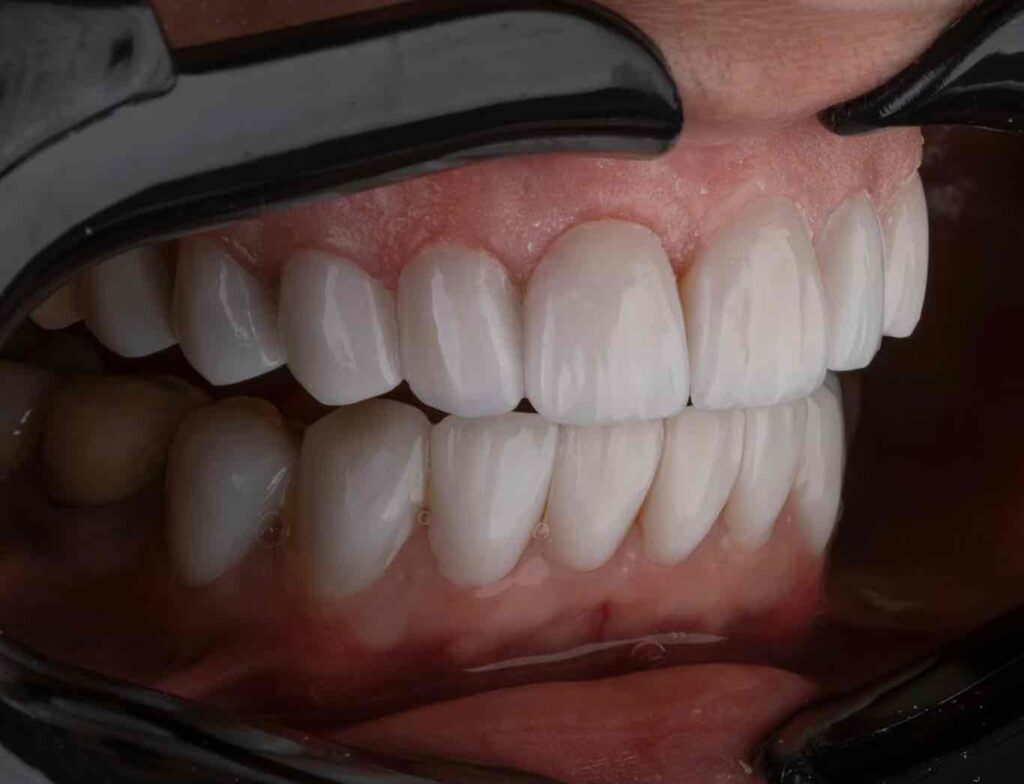
Teeth grinding—also called bruxism—is one of the most common (and most overlooked) causes of tooth wear, cracks, jaw pain, and morning headaches. Many people grind at night and have no idea it’s happening until symptoms show up or a dentist spots the damage.
The good news is that there are reliable ways to protect your teeth and reduce strain on your jaw.At Arrow Dental Arts, these are the practical strategies our Dentist In Rancho Cucamonga recommend to help prevent long-term damage from grinding and clenching.
What Is Teeth Grinding, and Why Does It Matter?
Bruxism is repetitive clenching or grinding of the teeth, often during sleep but sometimes during the day. Over time, the pressure can be significant—often much more force than normal chewing.Our Dentist In Rancho Cucamonga recommend taking grinding seriously because it can lead to:
- Flattened or worn-down teeth
- Chipped teeth or fractured fillings/crowns
- Tooth sensitivity (from enamel loss)
- Jaw soreness and facial muscle fatigue
- TMJ symptoms (clicking, popping, limited opening)
- Headaches, especially in the morning
Grinding doesn’t always cause immediate pain—damage can accumulate quietly. That’s why prevention and early intervention matter.
Common Signs You May Be Grinding
You don’t need to “catch yourself grinding” to suspect bruxism. Our Dentist In Rancho Cucamonga recommend watching for clues like:
- Waking up with jaw tightness or soreness
- Morning headaches (temple-area or behind the eyes)
- Teeth that look shorter, flatter, or more translucent
- New or worsening tooth sensitivity
- Chipped teeth or broken dental work
- A partner hearing grinding sounds at night
- Jaw clicking, popping, or fatigue when chewing
If you notice one or more of these, a dental exam can help confirm whether grinding is likely and how advanced the wear is.
The #1 Protection Tool: A Custom Night Guard
If you grind at night, a custom night guard (also called an occlusal guard) is often the most effective protection. It doesn’t necessarily “cure” grinding, but it can prevent tooth-to-tooth wear and reduce stress on teeth and restorations.Our Dentist In Rancho Cucamonga recommend custom guards because they:
- Fit precisely to your bite (more comfortable and stable)
- Are designed to distribute force more evenly
- Typically last longer than over-the-counter guards
- Can be adjusted to reduce hot spots and jaw strain
Store-bought guards can help some people short term, but they’re often bulky and may worsen symptoms if they change your bite or encourage chewing. Our Dentist In Rancho Cucamonga recommend using OTC guards only with professional guidance, especially if you already have TMJ pain, crowns, implants, or extensive dental work.
Protect Your Teeth During the Day: Stop “Silent Clenching”
Daytime clenching is common—especially during stress, focused work, commuting, or workouts. Many people clench without noticing.A simple habit change helps: lips together, teeth apart (tongue resting lightly on the roof of the mouth). This relaxed jaw posture reduces prolonged pressure.Our Dentist In Rancho Cucamonga recommend trying these daytime strategies:
- Set a phone reminder every 1–2 hours to “unclench”
- Avoid chewing gum if you’re jaw-sore or prone to clenching
- Take short posture breaks (neck and shoulder tension often pairs with clenching)
- Keep caffeine moderate if it increases tension or restlessness for you
Small changes done consistently can noticeably reduce jaw fatigue.
Reduce Triggers: Stress, Sleep, and Stimulants
Bruxism is multi-factorial—meaning there isn’t always one cause. Stress and sleep quality are major drivers, and stimulants can make it worse.Our Dentist In Rancho Cucamonga recommend focusing on:
- Stress management: short daily walks, breathing exercises, journaling, or therapy when needed
- Better sleep routines: consistent bedtime, dark/cool room, limiting screens before bed
- Avoiding late stimulants: caffeine late in the day; nicotine can also increase bruxism risk
- Limiting alcohol close to bedtime: it can fragment sleep and worsen grinding in some people
Reducing triggers won’t replace a night guard if you grind heavily, but it can reduce intensity and frequency.
Check Your Bite and Dental Work
Sometimes grinding intensifies when the bite is uneven—like after a new filling, crown, or orthodontic movement—because the jaw “searches” for a comfortable position.Our Dentist In Rancho Cucamonga recommend scheduling a bite check if you notice:
- A tooth that hits “first”
- New jaw soreness after dental work
- One crown or filling that feels high
- A sudden change in chewing comfort
Minor adjustments can sometimes reduce muscle strain and protect restorations from breaking.
Consider TMJ-Friendly Muscle and Jaw Care
When muscles are overworked from grinding, supportive care can help reduce pain and tightness.Our Dentist In Rancho Cucamonga recommend TMJ-friendly habits such as:
- Warm compresses on the jaw muscles (10–15 minutes)
- Gentle jaw stretching (only as advised)
- Avoiding very hard/chewy foods when sore (ice, jerky, tough crusts)
- Not resting your chin on your hand for long periods
If pain is persistent, your dental team may coordinate additional care or evaluate for more complex TMJ conditions.
Don’t Ignore Sleep Breathing Issues
Nighttime grinding can be associated with sleep-disordered breathing (including obstructive sleep apnea) in some patients. Not everyone who grinds has sleep apnea—but if you snore or wake up unrefreshed, it’s worth mentioning.Our Dentist In Rancho Cucamonga recommend bringing up these red flags:
- Loud snoring
- Gasping/choking during sleep (reported by a partner)
- Excessive daytime sleepiness
- Morning dry mouth
- Waking up often during the night
Addressing airway and sleep quality can improve overall health and may reduce grinding for certain individuals.
What Happens If You Don’t Treat Grinding?
Untreated grinding can lead to a “domino effect”: enamel wears down, sensitivity increases, cracks form, restorations break, and bite changes can occur. In more advanced cases, patients may need crowns, bonding, or other restorative dentistry to rebuild worn teeth.Our Dentist In Rancho Cucamonga recommend protecting teeth early—because preventing wear is usually far simpler (and more cost-effective) than repairing it later.
When to See Arrow Dental Arts
If you suspect grinding, an exam can help determine:
- whether wear patterns match bruxism
- if any teeth are cracked or at risk
- whether your gums and jaw joints show signs of strain
- what type of guard (and design) fits your bite and goals
At Arrow Dental Arts, following what our Dentist In Rancho Cucamonga recommend typically starts with a customized plan—often including a night guard, bite evaluation, and practical coaching for daytime clenching and trigger reduction.
Bottom Line: The Best Way to Protect Your Teeth from Grinding
To protect your teeth from grinding, focus on two priorities: physical protection (usually a custom night guard) and reducing the drivers (stress, poor sleep, daytime clenching, and bite interferences). The earlier you act, the more tooth structure you can preserve.If you want, tell me whether your grinding is mostly at night or during the day, and whether you have jaw pain or headaches—I can help you outline the most useful questions to ask at your visit with Arrow Dental Arts.