
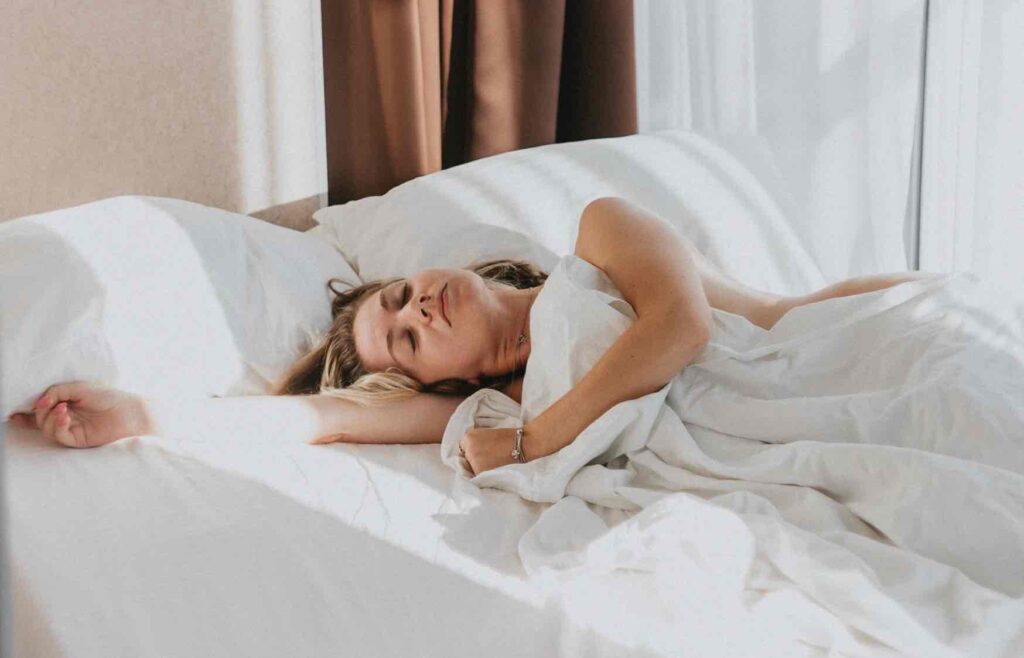
If you stop using your CPAP machine, your sleep apnea usually returns the same night. Breathing interruptions can reduce oxygen, fragment sleep, and increase daytime symptoms and long-term health risks. Although CPAP may feel uncomfortable at first, abruptly discontinuing treatment without speaking with your healthcare provider is generally not recommended.
At Arrow Dental Arts, our Sleep Apnea Dentist in Rancho Cucamonga recommends discussing problems with comfort, mask fit, pressure settings, or travel before stopping CPAP therapy. In many cases, a simple adjustment—or an alternative treatment such as a custom oral appliance—can make treatment easier to continue.
Table of Contents
- What happens when you stop using CPAP?
- Short-term effects of stopping CPAP
- Long-term health concerns
- When stopping CPAP may be appropriate
- CPAP alternatives for sleep apnea
- What to do if CPAP is uncomfortable
- Frequently asked questions
- Key takeaways
What Happens When You Stop Using CPAP?
Continuous positive airway pressure, or CPAP, works by delivering a steady stream of air that helps keep your airway open while you sleep. If you stop using it, the airway may narrow or collapse again, causing obstructive sleep apnea events to return.For many people, this means snoring, gasping, choking, and pauses in breathing can come back immediately.
Your symptoms may not always be obvious, especially if you sleep alone, but your body can still experience repeated oxygen drops and brief awakenings throughout the night.CPAP does not permanently cure obstructive sleep apnea. It controls the condition while you use it. That is why consistent nightly use is important.
Short-Term Effects of Stopping CPAP
Some people notice symptoms after only one night without their machine. Common short-term effects may include:
- Loud or frequent snoring
- Morning headaches or dry mouth
- Daytime sleepiness and fatigue
- Trouble concentrating or remembering information
- Irritability or mood changes
- Waking up gasping or feeling short of breath
- Reduced energy and productivity
- Increased risk of drowsy driving
You may feel as though you simply had a poor night’s sleep, but untreated sleep apnea can involve dozens or even hundreds of breathing disruptions per night. These interruptions prevent the brain and body from reaching consistently restorative sleep stages.
Our Sleep Apnea Dentist in Rancho Cucamonga recommends taking daytime sleepiness seriously. If you feel drowsy, avoid driving, operating machinery, or performing tasks that require constant attention.
Can Stopping CPAP Affect Your Health?
Over time, untreated sleep apnea may place additional stress on the cardiovascular and nervous systems. Repeated oxygen fluctuations and sleep disruption have been associated with an increased risk of:
- High blood pressure
- Irregular heart rhythms
- Heart disease
- Stroke
- Insulin resistance and type 2 diabetes
- Depression and anxiety symptoms
- Workplace and motor-vehicle accidents
Stopping CPAP for one night does not automatically cause a serious medical emergency for everyone. However, regularly going without treatment can allow sleep apnea to remain uncontrolled. The level of risk depends on factors such as the severity of your sleep apnea, overall health, age, weight, and whether you have other medical conditions.If you experience chest pain, severe shortness of breath, fainting, confusion, or other urgent symptoms, seek emergency medical care.
Is It Ever Safe to Stop Using CPAP?
Do not stop CPAP permanently without guidance from the healthcare professional who diagnosed or manages your sleep apnea. In some situations, a provider may recommend a supervised trial without CPAP—for example, after significant weight loss, certain surgeries, or another major health change. Even then, follow-up testing is usually needed to confirm whether sleep apnea has improved.
Feeling better does not necessarily mean the condition is gone. CPAP may be improving your sleep and oxygen levels even when you do not notice an immediate difference.
A repeat sleep study or home sleep apnea test may help determine whether treatment is still needed. Never change pressure settings or discontinue prescribed therapy without first consulting your physician or sleep specialist.
CPAP Alternatives for Sleep Apnea
CPAP is highly effective, but it is not the only possible treatment. Depending on your diagnosis and anatomy, alternatives may include:
Custom Oral Appliance Therapy
A dentist trained in dental sleep medicine can provide a custom oral appliance that gently moves the lower jaw or tongue forward to help keep the airway open. These devices are often smaller and quieter than CPAP machines, making them convenient for travel and some patients easier to use consistently.
At Arrow Dental Arts, our Sleep Apnea Dentist in Rancho Cucamonga recommends a comprehensive evaluation before determining whether oral appliance therapy may be appropriate.
Oral appliances are commonly considered for mild to moderate obstructive sleep apnea and for patients who cannot tolerate CPAP, although some people with more severe apnea may also benefit under medical supervision.
Lifestyle and Positional Strategies
A healthcare provider may recommend:
- Maintaining a healthy weight
- Sleeping on your side instead of your back
- Limiting alcohol, especially before bedtime
- Avoiding sedatives unless prescribed and reviewed by your doctor
- Treating nasal congestion or allergies
- Following a consistent sleep schedule
These steps may support treatment, but they should not automatically replace CPAP or another prescribed therapy.
Other Medical Treatments
Depending on the cause and severity of sleep apnea, treatment may also include airway surgery, nasal therapies, or an implantable nerve stimulation device. A sleep specialist can help identify appropriate options.
What Should You Do If CPAP Is Uncomfortable?
If discomfort is the reason you want to stop, contact your healthcare provider or sleep equipment specialist. Common problems often have practical solutions:
- Mask leaks: Try a different mask style or size.
- Skin irritation: Adjust the fit or use a compatible mask liner.
- Dry mouth or nose: Ask about heated humidification or nasal care.
- Feeling claustrophobic: Consider a smaller nasal mask or gradual acclimation.
- Difficulty exhaling: Your provider may review pressure settings or machine features.
- Congestion: Discuss safe treatment options with your medical provider.
- Travel concerns: Ask about compact machines or alternative treatment plans.
Our Sleep Apnea Dentist in Rancho Cucamonga recommends bringing up CPAP concerns early rather than abandoning treatment. The best treatment is one that is medically appropriate and used consistently.
Frequently Asked Questions
What happens if I skip CPAP for one night?
Your sleep apnea may return that night, potentially causing snoring, breathing pauses, oxygen drops, morning headaches, and daytime fatigue. Resume your prescribed treatment as soon as possible and avoid driving if you feel drowsy.
Can stopping CPAP cause rebound sleep apnea?
CPAP does not usually create dependence in the traditional sense, but it controls airway obstruction only while in use. When you stop, your underlying sleep apnea can return.
Can a dental appliance replace CPAP?
For some patients, yes. A custom oral appliance may be an appropriate alternative, particularly for mild to moderate obstructive sleep apnea or CPAP intolerance. A qualified provider should determine whether it is suitable and confirm effectiveness with follow-up testing.
How long can you go without CPAP?
There is no universally safe number of nights. The answer depends on your sleep apnea severity and health history. Speak with your physician or sleep specialist before stopping treatment.
Key Takeaways
- Sleep apnea can return as soon as you stop using CPAP.
- Short-term effects may include snoring, fatigue, headaches, poor concentration, and drowsy driving.
- Untreated sleep apnea may increase long-term cardiovascular and metabolic health risks.
- Do not discontinue CPAP or change its settings without medical guidance.
- A custom oral appliance may be an alternative for eligible patients.
- Arrow Dental Arts’ Sleep Apnea Dentist in Rancho Cucamonga can help evaluate treatment options and CPAP alternatives.
If CPAP is difficult to tolerate, contact Arrow Dental Arts to schedule a sleep apnea consultation and discuss whether a custom oral appliance may be right for you.